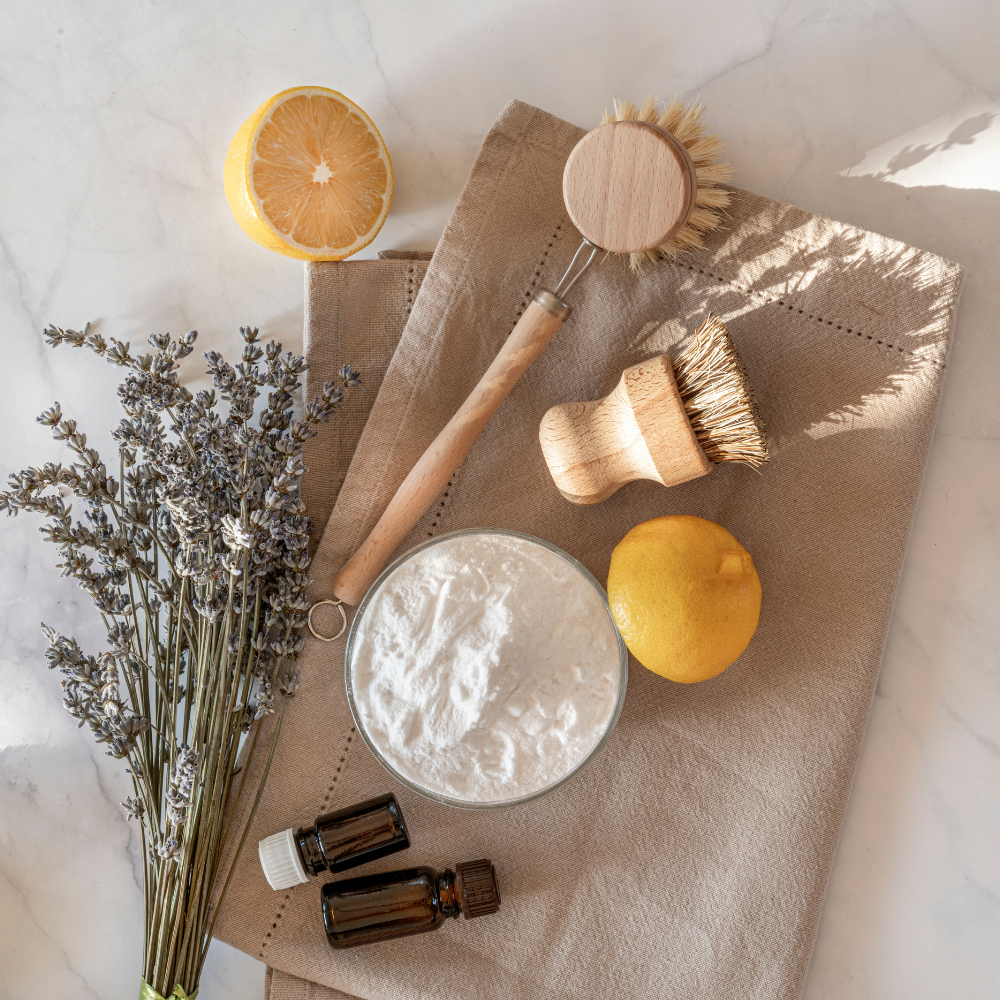
Ditch Store Sprays: Natural DIY Air Fresheners for a Fresh Home
As the seasons change and we close our windows to the elements, many of us begin to miss that invigorating scent of fresh outdoor air circulating through our homes. The desire for a clean, welcoming ambiance is universal, yet the thought of relying on conventional store-bought air fresheners often brings a twinge of concern. For many, these commercial products are synonymous with overpowering artificial perfumes, potential allergens, and a lingering worry about the undisclosed chemicals they might contain. If you've ever felt that familiar hesitation, questioning whether you're truly freshening your home or simply masking odors with a chemical cocktail, then it's time to explore the liberating world of
diy air fresheners.
Why Ditch Store-Bought Sprays? The Case for DIY
The appeal of a quick spritz from a store-bought air freshener is undeniable, offering an instant burst of fragrance. However, this convenience often comes at a cost, both to our health and the true freshness of our living spaces. Many commercial air fresheners contain volatile organic compounds (VOCs) and synthetic fragrances that can trigger allergies, asthma, and other respiratory issues in sensitive individuals. Far from eliminating odors, these products typically just overpower them, creating a perfumed layer over existing smells rather than neutralizing them.
Moreover, the idea of a chemical residue settling on furniture and surfaces can be unsettling. Even "natural" varieties can be vague about their ingredient lists. Crafting your own
diy air freshener gives you complete control. You choose every single ingredient, ensuring they are safe, effective, and align with your values for a truly natural and healthy home environment. You're not just creating a pleasant scent; you're actively contributing to a cleaner, safer atmosphere for yourself, your family, and your pets.
The Power of Nature: Core Ingredients in Your DIY Air Fresheners
The beauty of homemade air fresheners lies in their simplicity and the potent properties of everyday natural ingredients. Understanding how each component works is key to crafting effective and delightful scents.
*
Baking Soda: The Odor Neutralizer
Far more than just a leavening agent for baking, baking soda (sodium bicarbonate) is a phenomenal natural deodorizer. Its unique chemical structure allows it to absorb and neutralize odor molecules, especially acidic ones, rather than merely covering them up. This makes it an indispensable base for many
diy air freshener recipes, particularly those designed to tackle stubborn smells in enclosed spaces like refrigerators, closets, or bathrooms.
*
Water: The Carrier
In spray formulations, water serves as the essential carrier, allowing the active ingredients to be dispersed evenly. It's crucial to use distilled or filtered water to avoid introducing minerals or impurities that could leave marks or affect the longevity of your freshener.
*
Rubbing Alcohol or Witch Hazel: The Evaporator & Bacteria Fighter
While optional, adding a small amount of rubbing alcohol or witch hazel to your spray offers significant benefits. Rubbing alcohol helps the spray evaporate quickly, preventing residue marks on surfaces. Both also possess antiseptic properties that can kill odor-causing bacteria, tackling the source of the smell. For those seeking alternatives to alcohol, witch hazel is an excellent, gentler choice that still aids in evaporation and acts as a mild preservative.
*
Essential Oils: Fragrance and Beyond
This is where the magic truly happens! High-quality essential oils extracted from plants provide the natural fragrance for your
diy air fresheners. Beyond their delightful aromas, many essential oils boast therapeutic properties:
*
Lemon, Tea Tree, Eucalyptus: Known for their antibacterial and antiviral qualities, excellent for purifying the air.
*
Lavender, Chamomile: Calming and relaxing, perfect for bedrooms.
*
Peppermint, Rosemary: Invigorating and focus-enhancing, great for workspaces.
*
Cinnamon, Clove: Warm and cozy, ideal for fall and winter.
When choosing essential oils, opt for pure, therapeutic-grade varieties for the best results and safety.
*
Citrus & Spices: The Aromatic Enhancers
Beyond essential oils, actual citrus peels (lemon, orange, grapefruit) and spices like cinnamon sticks, cloves, or ginger root offer incredible natural aromas. These can be used in simmer pots or infused into DIY sprays, providing a refreshing and authentic scent profile. Lemon, in particular, offers natural antibacterial properties, adding to the cleaning power of your homemade solutions.
Diverse DIY Air Freshener Creations for Every Corner of Your Home
The versatility of natural ingredients means you can create a variety of
diy air freshener types, each suited to different needs and spaces.
1. Homemade Air Freshener Sprays
These are perhaps the most popular and easiest to make. They offer an instant burst of freshness without the concerns of synthetic chemicals or sticky residues. The secret is the balanced combination of ingredients that actively neutralize odors rather than just masking them.
Basic Recipe:
* 1 cup distilled water
* 2 tablespoons baking soda
* 1 tablespoon rubbing alcohol or witch hazel (optional, but recommended for quick evaporation)
* 15-20 drops essential oils of your choice
Instructions:
1. Dissolve the baking soda completely in the distilled water.
2. Add the rubbing alcohol or witch hazel.
3. Add your chosen essential oils.
4. Pour into a clean spray bottle (glass is preferred for essential oils). Shake well before each use.
This formula works wonders in living rooms, bathrooms, and even for a quick refresh of linens. For more detailed instructions and creative blends, explore
Homemade Air Fresheners: Banish Odors, Avoid Allergens & Residue, which delves into how these natural formulations specifically banish odors and avoid the common pitfalls of commercial sprays.
2. Baking Soda Jars & Sachets
For continuous odor absorption in smaller, contained spaces, baking soda jars are a passive yet highly effective solution.
Instructions:
1. Fill a small jar (like a mason jar) with baking soda.
2. Add 10-15 drops of your favorite essential oils.
3. Cover the top with a piece of breathable fabric (like cheesecloth) secured with a rubber band, or a lid with holes poked in it.
4. Place in areas like the fridge, bathroom, closet, or near pet beds. Stir or shake occasionally to refresh.
For an even simpler option, create small sachets using fabric bags filled with baking soda and essential oils, perfect for drawers or gym bags.
3. Gel Air Fresheners
Inspired by commercial gel fresheners, these homemade versions offer sustained scent release and look attractive. You maintain full control over the ingredients, ensuring they're non-toxic. While requiring a bit more effort due to the use of gelatin, they are a fun and customizable project.
4. Scented Wooden Cubes or Passive Diffusers
This elegant method provides a subtle, long-lasting aroma. Wooden cubes, beads, or even terra cotta stones are naturally porous.
Instructions:
1. Apply a few drops of your chosen essential oil directly onto the wooden item.
2. Allow it to soak in.
3. Place the scented wood in small bowls around your home or in drawers.
Refresh the scent by adding more essential oils as needed. This is a fantastic option for a more understated fragrance delivery system.
5. Simmer Pots: The Warm & Inviting Aroma
Though not explicitly a "spray," simmer pots are an incredible
diy air freshener for creating an encompassing, natural aroma throughout your home, especially during cooler months.
Instructions:
1. Fill a pot with water.
2. Add slices of citrus (lemon, orange), cinnamon sticks, cloves, ginger slices, rosemary sprigs, or even vanilla extract.
3. Bring to a gentle simmer on the stove (or use a small slow cooker).
4. Let it gently simmer, replenishing water as needed.
The steam carries the natural scents, filling your home with warmth and freshness. This method is particularly popular for holiday scents or when you want a rich, comforting aroma. For more creative ideas and various scent profiles, check out
Easy DIY Air Freshener Recipes for a Naturally Clean Home, which offers a range of recipes for different methods and fragrances.
Tips for Maximizing Your Natural Air Freshener Experience
To get the most out of your homemade creations and ensure a truly fresh home, consider these expert tips:
*
Address the Source First: The best air freshener, natural or otherwise, cannot replace good cleaning. Always identify and eliminate the source of unpleasant odors before applying your homemade fresheners. This ensures you're truly deodorizing, not just layering scents.
*
Safety with Essential Oils: While natural, essential oils are potent. Always dilute them properly, especially if you have pets or small children. Some oils can be toxic to pets (e.g., tea tree, citrus, pine, peppermint), so research specific oils or opt for safer alternatives like lavender or frankincense in areas accessible to animals. Avoid direct skin contact with undiluted oils.
*
Choose Quality Ingredients: Invest in high-quality essential oils and fresh ingredients. This directly impacts the effectiveness and purity of your
diy air freshener.
*
Shake Before Use: For spray formulations, essential oils and baking soda can separate. A quick shake before each use ensures an even distribution of ingredients.
*
Test Surfaces: Although homemade sprays are less likely to leave residue, it's always wise to test a small, inconspicuous area of fabric or furniture before widespread application.
*
Customization is Key: Don't be afraid to experiment with different essential oil blends. Consider seasonal scents (peppermint and pine for winter, lemon and lavender for spring) or blends to suit your mood (calming, energizing, focusing).
Conclusion
Embracing the world of
diy air fresheners is more than just a crafting project; it's a conscious choice towards a healthier, more personalized home environment. By taking control of the ingredients, you eliminate concerns about harsh chemicals, synthetic fragrances, and potential allergens, replacing them with the pure, therapeutic power of nature. From invigorating citrus sprays to comforting simmer pots and subtle wooden diffusers, the possibilities are endless. Start experimenting today and transform your home into a sanctuary that smells genuinely fresh, naturally clean, and uniquely yours.