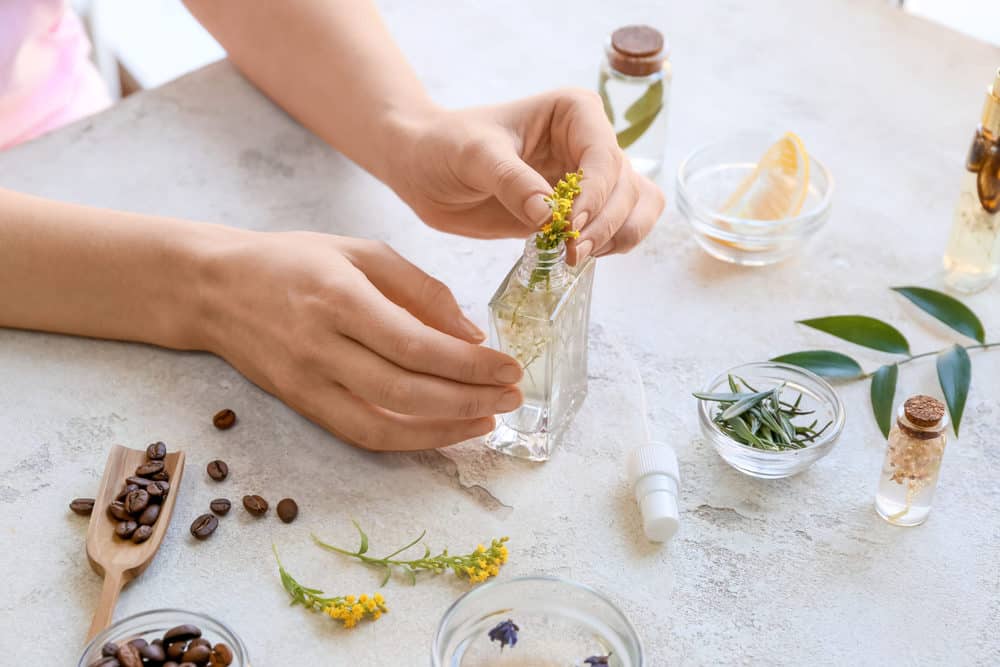
Homemade Air Fresheners: Banish Odors, Avoid Allergens & Residue
There’s nothing quite like walking into a home that feels fresh, clean, and inviting. Yet, as the seasons change and we close up our windows and doors, that delightful outdoor breeze often gives way to stale or musty indoor air. Many of us find ourselves constantly battling odors, whether from cooking, pets, or just everyday living, and worrying about our home's scent when guests arrive. The immediate solution often seems to be a quick spray of a commercial air freshener. However, for a growing number of people, these store-bought options come with a hefty hidden cost: potential allergens, harsh chemicals, and unwanted residue.
This dilemma has led countless households to embrace the art of making their own
diy air freshener. By taking matters into your own hands, you gain complete control over what goes into your home's air, ensuring a healthier, more pleasant environment for everyone. Homemade air fresheners offer a natural, effective, and often more economical way to eliminate odors at their source, leaving behind nothing but pure, natural freshness. Say goodbye to that smothering feeling and hello to a home that smells genuinely clean and welcoming, without the worry of triggering allergies or leaving behind a chemical film.
Why Choose DIY Air Fresheners Over Commercial Options?
The allure of a beautifully scented home is strong, but the methods we use to achieve it matter. Opting for a
diy air freshener isn't just a trend; it's a conscious choice for a healthier lifestyle. Here's why making your own stands head and shoulders above store-bought alternatives:
*
Healthier Home, Fewer Allergens: Many commercial air fresheners contain a cocktail of synthetic fragrances, phthalates, parabens, and volatile organic compounds (VOCs). These ingredients are frequently cited as triggers for allergies, asthma attacks, headaches, and can even contribute to broader respiratory issues. When you craft a homemade air freshener, you select every ingredient, primarily relying on natural components like essential oils, citrus, and spices. This allows you to avoid known irritants and create a breathing space that’s safe and comfortable for your family and pets.
*
No Unwanted Residue or Film: Have you ever noticed a fine, sticky film on surfaces after using a spray air freshener? That's residue, and it's a common complaint with many commercial products, regardless of how "natural" they claim to be. This fallout can settle on furniture, fabrics, and electronics, collecting dust and contributing to a less-than-clean feel. Homemade alternatives, especially those utilizing dry ingredients like baking soda or fast-evaporating sprays, are designed to eliminate odors without leaving anything behind.
*
True Odor Elimination, Not Just Masking: Many store-bought sprays are essentially perfumes for your home – they mask unpleasant odors with stronger, often artificial, scents. This creates a temporary illusion of freshness without addressing the root cause. A well-formulated
diy air freshener, however, often incorporates ingredients known for their odor-neutralizing properties, like baking soda, which chemically binds to and neutralizes odor molecules. This approach tackles the smell at its source, resulting in a genuinely fresh environment.
*
Customization and Cost-Effectiveness: With DIY, you're not limited to a handful of pre-selected scents. You have complete creative freedom to customize your fragrance profile, blending essential oils to match your mood, the season, or specific room needs. From invigorating citrus blends for the kitchen to calming lavender for the bedroom, the possibilities are endless. Plus, in the long run, using common household ingredients and reusable containers often proves to be significantly more economical than continuously purchasing disposable commercial products.
Essential Ingredients for Your DIY Air Freshener Toolkit
Creating effective and delightful homemade air fresheners is simpler than you might think, largely because the key ingredients are likely already in your pantry or readily available. Understanding what each component brings to the table is crucial for crafting the perfect odor solution.
*
Baking Soda (Sodium Bicarbonate): This kitchen staple is a powerhouse for odor neutralization. Baking soda is amphoteric, meaning it can react with both acidic and basic odor molecules, effectively absorbing and neutralizing them rather than just covering them up. It's especially potent against common acidic smells like those from food, pets, and stale air. It forms the base for many dry odor absorbers and is an excellent addition to spray recipes.
*
Water: Primarily serving as a carrier, water (preferably distilled) is essential for diluting ingredients in spray-based air fresheners. Distilled water helps prevent mineral buildup in your sprayer and ensures a purer mixture, enhancing the longevity of your freshener.
*
Rubbing Alcohol (or Witch Hazel/Vodka): More than just a disinfectant, rubbing alcohol plays a crucial role in DIY air freshener sprays. It helps to dissolve essential oils, ensuring they disperse evenly throughout the water and don't separate. Crucially, it also acts as a fast-evaporating agent, helping the spray dry quickly without leaving behind any residue. As alternatives, witch hazel or even inexpensive vodka can serve similar purposes, with witch hazel offering a slightly milder scent.
*
Essential Oils: The stars of fragrance in most homemade air fresheners. Essential oils are concentrated plant extracts that not only provide wonderful scents but often boast additional therapeutic properties. For example, lemon and tea tree oils are known for their antibacterial qualities, while lavender and chamomile promote relaxation. Peppermint and eucalyptus can be invigorating and help clear congestion. Always opt for high-quality, pure essential oils from reputable sources for the best results and to avoid synthetic additives.
*
Citrus Peels/Juice: Lemon, orange, lime, and grapefruit peels are fantastic natural deodorizers. Lemon juice, in particular, possesses natural antibacterial properties, making it an excellent cleaner and freshener. These can be used in simmer pots, added to spray mixtures, or simply left out in bowls to subtly freshen the air.
*
Spices (Cinnamon, Cloves, Ginger): For warm, inviting, and seasonal scents, whole spices are invaluable. Cinnamon sticks, whole cloves, and sliced ginger can be incorporated into simmer pots or decorative scent jars, releasing their comforting aromas slowly and naturally.
Popular DIY Air Freshener Methods to Try
From quick sprays to long-lasting diffusers, there’s a
diy air freshener method for every need and preference. Here are some of our tried-and-true favorites:
*
DIY Air Freshener Sprays
The most popular and versatile homemade option, a natural air freshener spray is perfect for instant odor elimination.
How to make: In a spray bottle (preferably glass), combine 1 cup distilled water, 2 tablespoons rubbing alcohol (or witch hazel/vodka), and 10-20 drops of your favorite essential oils. For an extra odor-fighting boost, you can dissolve 1-2 teaspoons of baking soda in the water first. Shake well before each use.
Popular scents:
*
Refreshing Citrus: Lemon, grapefruit, orange, bergamot.
*
Calming Blend: Lavender, chamomile, cedarwood.
*
Invigorating: Peppermint, eucalyptus, tea tree.
These sprays target odors at the source and dry quickly without residue. For more detailed recipes and ways to
Ditch Store Sprays: Natural DIY Air Fresheners for a Fresh Home, check out our guide!
*
Baking Soda Odor Absorbers
If you're wary of sprays or prefer a continuous, subtle deodorizer, a baking soda absorber is ideal.
How to make: Fill a small jar or decorative container with about ½ cup of baking soda. Add 10-15 drops of essential oils (e.g., lemon for kitchen, lavender for bathroom). Cover the jar with a breathable lid, like parchment paper secured with a rubber band and poked with holes, or a decorative fabric.
Placement: Place in confined spaces like refrigerators, closets, under sinks, or near pet litter boxes. The baking soda actively neutralizes odors over several weeks before needing replacement.
*
Stovetop Simmer Pots (Natural Diffusers)
For an immediate and enveloping natural aroma, especially during cooler months or when entertaining, simmer pots are a fantastic choice.
How to make: Fill a pot with water and add natural ingredients. Bring to a gentle simmer on the stove, adding water as needed.
Popular combinations:
*
Autumn Spice: Orange peels, cinnamon sticks, cloves, a few star anise.
*
Winter Wonderland: Cranberries, rosemary sprigs, pine needles, vanilla extract.
*
Fresh & Uplifting: Lemon slices, fresh ginger, mint leaves.
This method also adds a pleasant humidity to dry indoor air.
*
Scented Wooden Cubes & Gel Air Fresheners
These options offer longer-lasting, low-maintenance fragrance.
Scented Wooden Cubes: Small, porous wooden cubes can be infused with essential oils. Simply add several drops of your chosen essential oil to a few cubes and place them in a decorative bowl or sachet bag. They absorb the oil and slowly diffuse the scent over time, perfect for small spaces like drawers or desks.
Homemade Gel Air Fresheners: Similar to store-bought gel beads, these can be made at home with gelatin (or agar-agar for a vegan option), water, salt (as a preservative), food coloring (optional), and essential oils. The gel slowly releases fragrance as it evaporates, offering consistent scent for weeks.
For more detailed recipes and easy methods, explore our article on
Easy DIY Air Freshener Recipes for a Naturally Clean Home.
Tips for Maximizing Your Homemade Air Freshener Effectiveness
To get the most out of your
diy air freshener creations and ensure your home stays consistently fresh, keep these practical tips in mind:
*
Address the Source First: While homemade air fresheners are excellent odor eliminators, they work best when combined with good cleaning practices. Always clean up spills, empty trash, and tackle the source of bad odors before relying solely on a freshener. A clean home is the foundation for a fresh-smelling one.
*
Strategic Placement: Think about where odors originate and where the scent needs to travel. Place baking soda absorbers in enclosed areas like closets, fridges, or bathrooms. Use sprays in more open rooms, targeting specific areas like pet beds or after cooking. Simmer pots are great for immediate, widespread aroma in common areas.
*
Rotate Scents: Our noses can become "nose blind" to a constant scent. To keep your home feeling fresh and to fully appreciate your chosen aromas, consider rotating your essential oil blends or using different methods in various rooms.
*
Dilute Essential Oils Properly: Essential oils are potent and should always be diluted, especially when used in sprays that might come into contact with skin or surfaces. The recommended ratio is typically 10-20 drops per cup of carrier liquid. For diffusers, always follow the manufacturer's instructions.
*
Safety First with Essential Oils: Keep essential oils and homemade air fresheners out of reach of children and pets. Some essential oils can be toxic to animals (especially cats), so research pet-safe oils if you have furry friends. Always use essential oils in a well-ventilated area, and if you have specific sensitivities, do a small patch test or consult a healthcare professional.
*
Store Sprays in Dark Bottles: Light can degrade essential oils, reducing their potency and aroma. Store your homemade air freshener sprays in dark glass bottles to protect the oils and extend their shelf life.
*
Experiment and Personalize: Don't be afraid to experiment with different essential oil combinations and methods. What works wonderfully for one person might not be ideal for another. Discover your favorite blends and tailor your homemade air fresheners to perfectly suit your home and your preferences.
Embracing
diy air freshener solutions is a simple yet powerful step towards a healthier, more personalized home environment. By choosing natural ingredients and taking control of your indoor air, you can banish unwanted odors, avoid common allergens and residues found in commercial products, and infuse your living spaces with genuinely fresh, inviting aromas. Start experimenting today and discover the joy of a naturally fresh home!