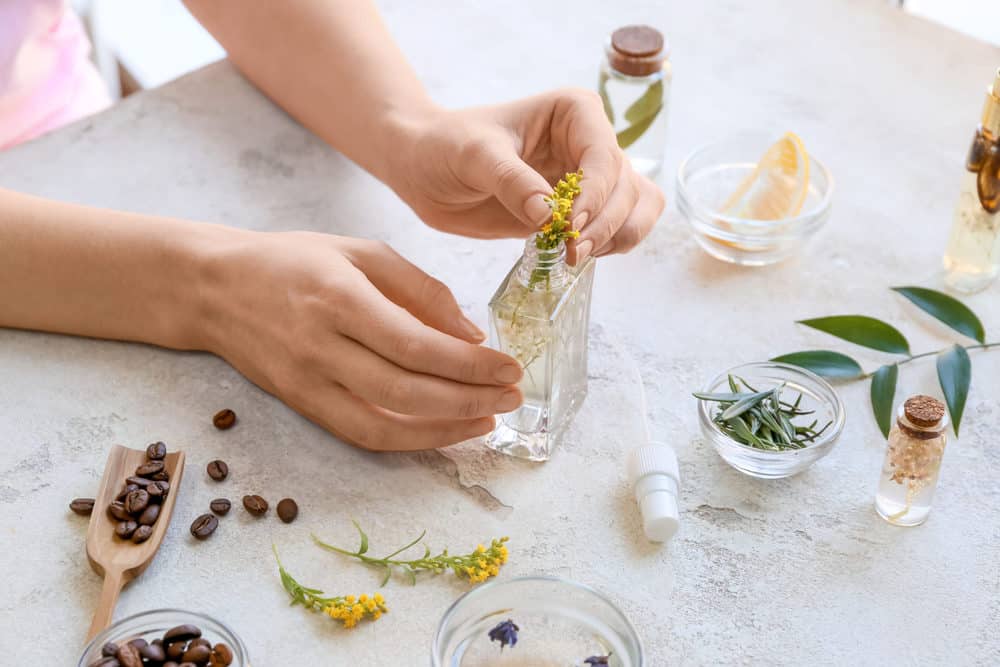
Easy DIY Air Freshener Recipes for a Naturally Clean Home
As the seasons change and we find ourselves closing up our homes against the chill, many of us begin to miss the invigorating sensation of a fresh breeze sweeping through our living spaces. Despite diligent cleaning, a lingering concern about musty odors can creep in, especially when anticipating guests. The desire for a welcoming, clean-smelling home is universal, yet many of us are hesitant to rely on commercial air fresheners. Store-bought options often contain synthetic fragrances and chemicals that can trigger allergies, cause respiratory issues, or even leave behind an unwanted residue on furniture and surfaces. This growing awareness has led to a significant shift: more and more households are discovering the immense benefits of creating their own
natural DIY air fresheners.
Making your own provides complete control over ingredients, ensuring a naturally pleasant aroma without harmful additives. It’s a simple, cost-effective, and highly customizable way to keep your home smelling fresh and inviting, tackling odors at their source rather than merely masking them. Whether you're looking for an all-purpose spray, a subtle room diffuser, or a specific scent to uplift your mood, the world of homemade air fresheners offers a wealth of possibilities.
Why Choose DIY Air Fresheners? The Natural Advantage
The reasons to transition from conventional air fresheners to homemade solutions are compelling and multifaceted. Primarily, it's about health and transparency. Many store-bought sprays and plug-ins list "fragrance" as an ingredient, a term that can encompass hundreds of undisclosed chemicals, some of which are known irritants or endocrine disruptors. For individuals with sensitivities, asthma, or allergies, these synthetic scents can be major triggers, leading to headaches, congestion, or more severe reactions. Furthermore, the idea of these chemical compounds dispersing throughout your home, potentially settling on surfaces where food is prepared or children play, is a significant concern for many.
Homemade air fresheners, by contrast, empower you to know exactly what’s in your products. You select natural, food-grade, or therapeutic-grade ingredients, ensuring a safer environment for your family and pets. This transparency extends to effectiveness as well; instead of merely overlaying one smell with another, many DIY air fresheners incorporate ingredients specifically known for their odor-neutralizing properties, truly eliminating unpleasant smells rather than just masking them. The beauty of
homemade air fresheners lies in their ability to not only banish odors but also avoid allergens and unwanted residue, offering a cleaner, fresher ambiance without compromise. Beyond health benefits, DIY fresheners are also environmentally friendly, reducing plastic waste and your carbon footprint, and are significantly more economical in the long run.
Essential Ingredients for Your DIY Air Freshener Arsenal
Crafting your own effective diy air freshener doesn't require a long list of obscure ingredients. In fact, many of the core components are likely already in your pantry or easily accessible. Understanding the role each plays is key to creating powerful, natural odor eliminators:
- Baking Soda (Sodium Bicarbonate): This unassuming powder is a superstar in odor neutralization. Its porous structure naturally absorbs and traps odor molecules, particularly acidic ones, rather than simply covering them up. It's safe, non-toxic, and incredibly effective for a variety of odor challenges.
- Water: Primarily serves as a carrier for other ingredients in spray formulations. Distilled water is often recommended to prevent mineral buildup and ensure a longer shelf life for your sprays.
- Rubbing Alcohol (Isopropyl Alcohol) or Witch Hazel: In spray recipes, rubbing alcohol plays a crucial role. It acts as a dispersing agent for essential oils, allowing them to mix evenly with water instead of separating. More importantly, it helps kill odor-causing bacteria and aids in quick evaporation, preventing water marks or residue on surfaces. Witch hazel can be used as a gentler alternative if alcohol content is a concern.
- Essential Oils: These concentrated plant extracts are the heart of natural fragrance in DIY air fresheners. Beyond their delightful aromas, many essential oils possess antibacterial, antiviral, and antifungal properties, contributing to a truly clean environment. Popular choices include:
- Citrus Oils (Lemon, Orange, Grapefruit, Lime): Known for their uplifting, refreshing, and naturally antibacterial qualities. Lemon, in particular, is a powerful degreaser and germ fighter.
- Lavender: Calming, soothing, and excellent for bedrooms or relaxation spaces.
- Peppermint: Invigorating, helps with focus, and can deter pests.
- Eucalyptus & Tea Tree: Strong antibacterial and antiseptic properties, great for fighting tough odors and germs.
- Cinnamon, Clove, Ginger: Warm, spicy, and comforting, perfect for fall and winter or kitchen areas.
- Citrus Peels/Juice: Fresh lemon juice offers natural antibacterial properties, while citrus peels can be used to infuse water or simmer pots, releasing their natural oils and invigorating scents.
Armed with these fundamental ingredients, you're well on your way to crafting a signature scent for every corner of your home.
Popular & Effective DIY Air Freshener Recipes
The beauty of a diy air freshener is its adaptability. You can tailor recipes to suit your preferences, the specific needs of a room, or even the season. Here are some tried-and-true methods:
The Versatile DIY Air Freshener Spray
This is perhaps the most popular and easiest method, perfect for a quick refresh in any room. It targets odors directly and evaporates cleanly.
Ingredients:
- 1 cup distilled water
- 2 tablespoons rubbing alcohol (or witch hazel)
- 15-20 drops essential oils of your choice (e.g., 10 drops lemon, 5 drops lavender, 5 drops peppermint)
- A small pinch of baking soda (optional, for extra odor absorption)
Instructions:
1. Combine the rubbing alcohol and essential oils in a clean spray bottle (glass is ideal for essential oils). This helps the oils disperse.
2. Add the baking soda if using, and swirl to dissolve.
3. Pour in the distilled water.
4. Shake well before each use. Spritz into the air as needed, avoiding direct contact with delicate fabrics, though the quick evaporation minimizes residue concerns. This works wonders for bathrooms, living rooms, and pet areas.
Beyond the Bottle: Non-Spray Odor Solutions
For continuous, subtle freshness without aerosols, these methods are fantastic:
*
Baking Soda Jar Fresheners: These are ideal for small, enclosed spaces like closets, bathrooms, or under sinks.
Instructions: Fill a small mason jar or decorative container with about half a cup of baking soda. Add 10-15 drops of your favorite essential oil directly into the baking soda and stir. Cover the top with a piece of breathable fabric (like cheesecloth or thin cotton) secured with a rubber band or the jar ring. The baking soda will absorb odors while the essential oils slowly release their scent. Refresh with more essential oils every few weeks, or replace the baking soda monthly.
*
Scented Wooden Cubes/Discs: A minimalist and elegant solution.
Instructions: Purchase small, unfinished wooden cubes, beads, or discs. Apply 5-10 drops of essential oil directly to each piece of wood. The wood will absorb the oil and slowly diffuse the scent over time. Place these in bowls, sachets, drawers, or tucked into shelves. Reapply essential oils when the scent fades. Cedarwood, sandalwood, or pine essential oils work wonderfully here for a grounding, natural aroma.
*
DIY Gel Air Fresheners: Mimic store-bought gel fresheners with natural ingredients.
Instructions: This method typically involves dissolving unflavored gelatin in hot water, adding salt (as a preservative), food coloring (optional), and essential oils. Pour the mixture into small decorative jars and let it set. As the gel slowly dehydrates, it releases its scent. While a bit more involved, it offers a solid, spill-proof freshener.
Harnessing Nature's Scents: Targeted Freshness
Sometimes, a specific natural aroma is exactly what you need.
*
Citrus Power Air Freshener: Simple and incredibly effective for kitchens or spaces where strong odors linger.
Instructions: Fill a spray bottle with fresh lemon juice (or a mix of lemon juice and water for a milder effect). The natural acidity and antibacterial properties of lemon make it an excellent choice for cutting through cooking smells, pet odors, and general staleness. You can also simmer lemon peels, orange peels, cloves, and a cinnamon stick in a pot of water on the stove for an immediate, whole-house refresh.
*
Warm & Spicy Simmer Pots: Perfect for creating a cozy, inviting atmosphere, especially during cooler months.
Instructions: In a small saucepan, combine water with ingredients like cinnamon sticks, whole cloves, star anise, orange slices (fresh or dried), and a few ginger slices. Bring to a gentle simmer on low heat, allowing the aromatic steam to fill your home. Keep an eye on the water level and replenish as needed. This is a wonderfully natural way to evoke feelings of comfort and warmth.
Tips for Maximizing Your Homemade Air Freshener's Effectiveness
To truly banish odors and maintain a naturally clean-smelling home, consider these expert tips:
- Address the Source First: No air freshener, natural or otherwise, can permanently mask a persistent odor source. Ensure your home is clean, take out trash regularly, wash pet bedding, and address any dampness or mold issues. DIY air fresheners work best in conjunction with good cleaning practices.
- Ventilation is Key: Even in colder months, opening windows for 10-15 minutes a day can dramatically improve air quality and help clear out stale air, reducing the need for constant freshening.
- Placement Matters: Place baking soda jars or scented wooden cubes in areas with air circulation or where odors are most prevalent (e.g., near litter boxes, in bathrooms, or inside closets).
- Rotate Scents: Our noses can become desensitized to a scent over time. Rotate your essential oil blends or recipes every few weeks to keep your home smelling fresh and surprising.
- Quality of Ingredients: Invest in high-quality, pure essential oils for the best scent and therapeutic benefits. Cheap oils may contain synthetic fillers.
- Safety First with Essential Oils: Always dilute essential oils before use, especially when applying to wooden items or if you have pets. Some oils can be toxic to pets if ingested or if they come into prolonged skin contact. Research pet-safe essential oils if you have furry friends.
- Shake Sprays Vigorously: Essential oils don't naturally mix with water. Shaking your spray bottle ensures a proper dispersion of oils with each spritz.
Embracing the world of DIY air fresheners is a delightful journey toward a healthier, more fragrant home. It’s an act of self-care for your living space, giving you the power to craft an environment that truly reflects your desire for natural cleanliness and personalized comfort.
In conclusion, moving away from chemical-laden commercial air fresheners to homemade alternatives is a simple yet impactful step towards a healthier lifestyle. With basic ingredients and a little creativity, you can easily create custom scents that not only make your home smell inviting but also actively neutralize odors and contribute to a cleaner indoor environment. Experiment with different recipes, find your favorite essential oil blends, and enjoy the peace of mind that comes with knowing exactly what's refreshing your home. Dive into the world of natural home fragrances and discover how easy it is to achieve a naturally clean, wonderfully scented home with your own diy air freshener creations.